05/11/2026
Top uPVC Window and Door Trends for Modern Kerala Homes in 2026
read more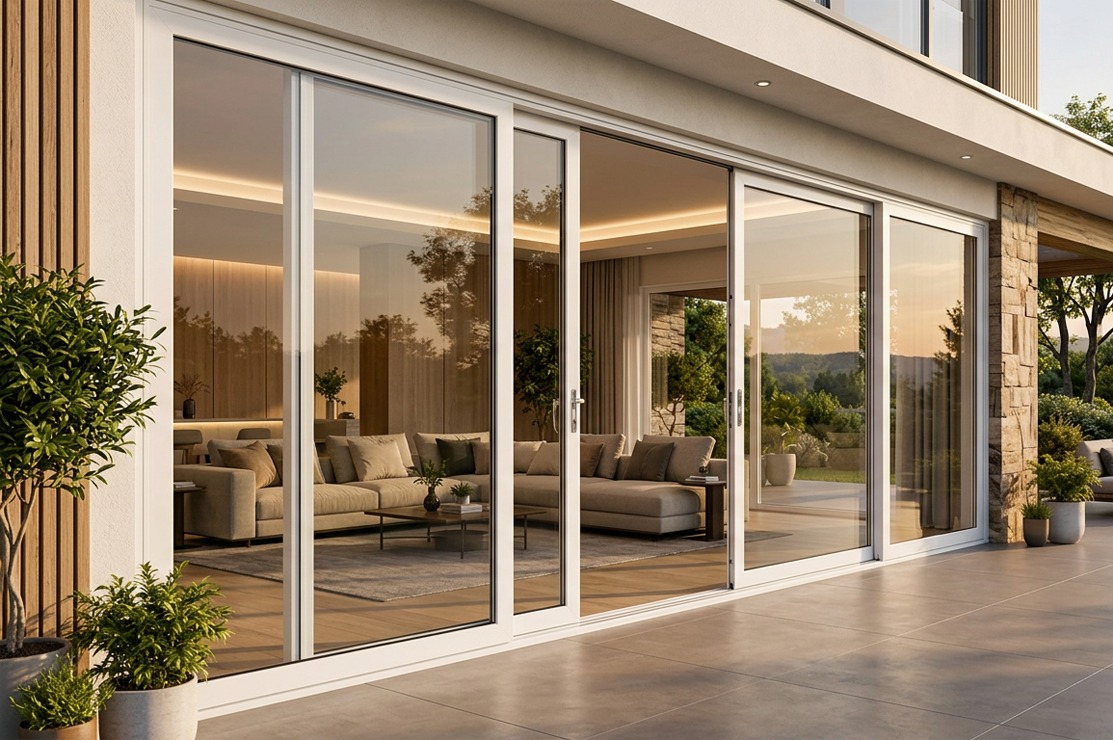
Three days of non-stop rain in Kochi, and the same things start happening in most homes. A damp patch appears under the window. The balcony door leaves a thin film of water on the floor. One bedroom begins to smell a bit like a wet towel that never dried.
People usually blame the terrace or the walls, and sometimes that’s right. But a lot of the time the real culprit is much closer to eye level: the doors and windows.
Wood drinks up water. Badly fitted doors let it in through gaps you can barely see. A sliding uPVC door handles both problems better than most alternatives, which is why more homeowners in Kerala are switching to them. Here’s how they actually help, and where their limits are.
1. uPVC doesn’t soak up water
Take an old wooden door that has faced a dozen monsoons. The paint bubbles, the bottom edge swells, and the frame starts to twist so the door no longer closes properly. All of that comes from wood absorbing moisture, especially once the polish wears off.
uPVC is a non-porous plastic, so there’s nothing for the water to soak into. The frame keeps its shape through months of humidity. It also can’t rust, which matters in coastal districts where the salty air eats through plain metal fittings.
For a place like Kochi, where humidity rarely drops for long, that’s a real advantage.
2. Rubber seals do the quiet work
Most rain leaks aren’t dramatic. Wind pushes water sideways during a heavy shower, and it finds the narrow gap between the sliding panel and the frame. You see the result later: a wet strip of floor you just mopped.
A good sliding uPVC door has rubber gaskets and weather seals running around the panels. They close those gaps when the door is shut. Many systems add a raised rain track or sill so water has a harder time creeping in.
A caveat, though. A well-made door fitted badly will still leak. If the frame is slightly out of line, the seals can’t sit properly, and no gasket can fix that.
3. Water needs somewhere to go
Sliding doors have a track at the bottom, and during the monsoon, that track collects water. If it has nowhere to go, it’ll eventually spill over into the room.
Better uPVC systems have drainage channels built into the track. Water collects, runs through small slots, and drains out to the exterior. Some also slope the sill slightly outward to help.
One thing owners forget: those drain holes clog with dust and dead insects. Poke them clear with a thin stick every so often, especially before the rains begin in June.
4. Why UPVC Sliding Balcony Doors in Kochi, Kerala make sense
A balcony takes the worst of the weather. Rain, dust, afternoon sun, humid air- all of it hits the door first. If the door is poor, the living room or bedroom behind it pays the price.
That’s the reason UPVC Sliding Balcony Doors in Kochi, Kerala have become so common in new apartments. What you get:
• Rain protection: seals cut down water entry during heavy showers.
• Frames that don’t swell: uPVC doesn’t absorb water the way timber does.
• No swing space: the panels slide sideways, which helps a lot in a small flat.
• More daylight: large glass panels brighten up the room.
• Less draught and dust: a tight seal keeps unwanted air movement down.
• Low upkeep: no repainting, no polishing.
They also just look tidy. A sliding door gives a balcony entrance a clean, open feel that a pair of swing doors rarely manages.
5. UPVC Sliding Folding Doors for wide openings
Say you have a large balcony, or a living room that opens onto a garden or sit-out. One sliding door gives you only half the opening at a time, which can feel limiting.
A sliding folding door solves that. Several panels glide along a track and stack together at one side, leaving a wide gap between inside and outside. If you’re considering a UPVC Sliding Folding Door in Kochi, Kerala, here’s what to expect:
A much wider opening. Fold everything back, and the room practically merges with the balcony.
Flexible use. Open one or two panels for daily movement, or fold the whole set when guests come over.
Decent weather protection. Closed up, good seals keep most rain out.
A modern look. Big glass panels suit contemporary homes.
Before you commit, look closely at the track, the hardware, and the sealing system. With more moving panels, cheap fittings show up quickly.
6. Your floor and furniture will thank you
Small leaks cause slow damage. A bit of water near the balcony door each time it rains seems harmless, until the wooden flooring starts to lift, the edge of the sofa smells musty, or the paint on the nearby wall turns patchy.
A properly fitted uPVC door cuts down on that water getting in through the frame and tracks, and the frame itself won’t rot from humidity. That protects whatever sits near the door.
But be realistic. A door can’t fix a leaking roof, a seeping wall, or a bad pipe. If the damp is coming from there, you’ll need to deal with that separately.
7. Maintenance is Negligible
Wooden doors need repolishing and repainting every few years. uPVC mostly needs a wipe with a soft cloth and mild soapy water.
Sliding doors do have moving parts, so a little attention goes a long way:
• Clean the tracks, since grit wears down the rollers.
• Clear the drain holes.
• Look over the rubber seals for cracks or gaps.
• Wipe the glass.
• Check that rollers and locks move smoothly.
Ten minutes every month or two is usually enough.
8. What to check before you buy
Two doors can look identical in a showroom and perform very differently in monsoon. Ask about these:
Profile quality. Go for sturdy uPVC profiles made for changing weather, not the thinnest option on offer.
Seals. Press the gaskets with your fingers. They should feel firm and springy, not brittle.
Drainage. Ask to see how water leaves the track. In Kerala’s rain, this matters more than most buyers realise.
Glass. Pick glazing based on what you need: safety, heat reduction, or noise control if you’re near a busy road.
Hardware. Rollers, handles and locks should feel solid and run smoothly.
Installation. Is the biggest factor. Poor alignment or sealing can ruin a good door.
Spending a little extra time on these now saves you a lot of mopping later.
Waterproofing and good ventilation come first in any damp-prone home. But doors and windows are part of the picture too, and they’re easy to overlook.
Sliding uPVC doors bring moisture-resistant frames, weather seals, proper drainage, and low upkeep. Whether you’re fitting a balcony entrance or opening up a living room to the garden, they’re worth a serious look.
At Impressive, we think a door should do more than look good. It has to cope with the weather where you live. We offer premium uPVC and aluminium windows and doors built with that in mind.
Planning a new home, or tired of dealing with leaks in your current one? Take a look at Impressive’s range of architectural products and see what suits your space.